

The Ford F-150 has built a lasting reputation as America’s best-selling truck, but its legacy didn’t happen overnight. Whether you’re considering a new Ford F-150 or simply interested in its history, understanding its different generations and body styles by year will give you valuable insights into why this truck remains at the forefront of the automotive industry.
Ford F-150 Generations: A History of Progress
The Ford F-150 has gone through several generations, each marked by significant changes in design, technology, and performance. Here’s a breakdown of each generation to showcase its evolution.
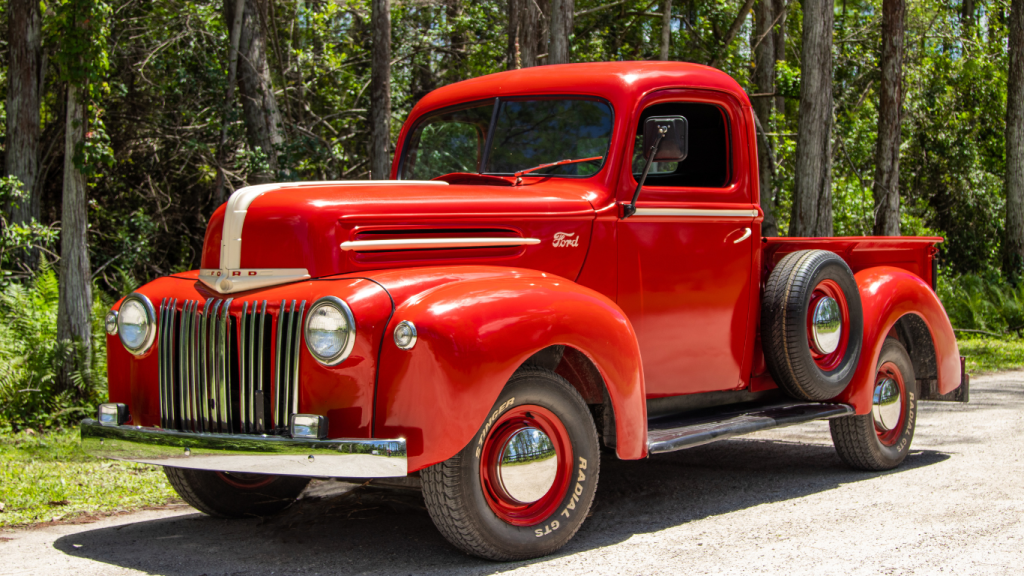
1st Generation (1948–1952): The Beginning of the F-Series Legacy
- Key Features: The first F-Series truck, introduced in 1948, laid the foundation for what would become one of the most iconic nameplates in automotive history. Ford combined style with utility, offering a rugged workhorse.
- Body Styles: Initially, the F-Series included both pickup and panel truck variants, with a straightforward, simple design. The truck offered durability and reliability, quickly earning favor in the market.
- Engine Options: Powered by V8 and V6 engines, the first generation offered moderate power and capability.
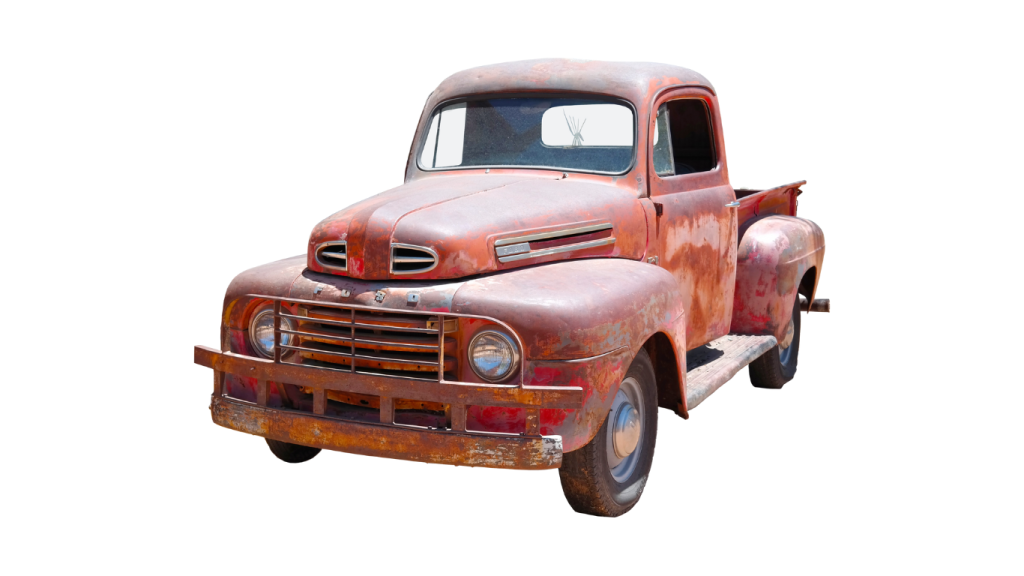
2nd Generation (1953–1956): More Power and Refinements
- Design Changes: Ford refined the design with more rounded body lines and a smoother front end. The truck’s overall profile became more streamlined, indicating a shift towards both form and function.
- Body Styles by Year: Variants continued to grow, offering a broader range of cabs and bed lengths to suit various needs. The truck’s design emphasized comfort alongside utility.
- Engine Options: V8 engines became more common, giving buyers more horsepower to handle tougher jobs.
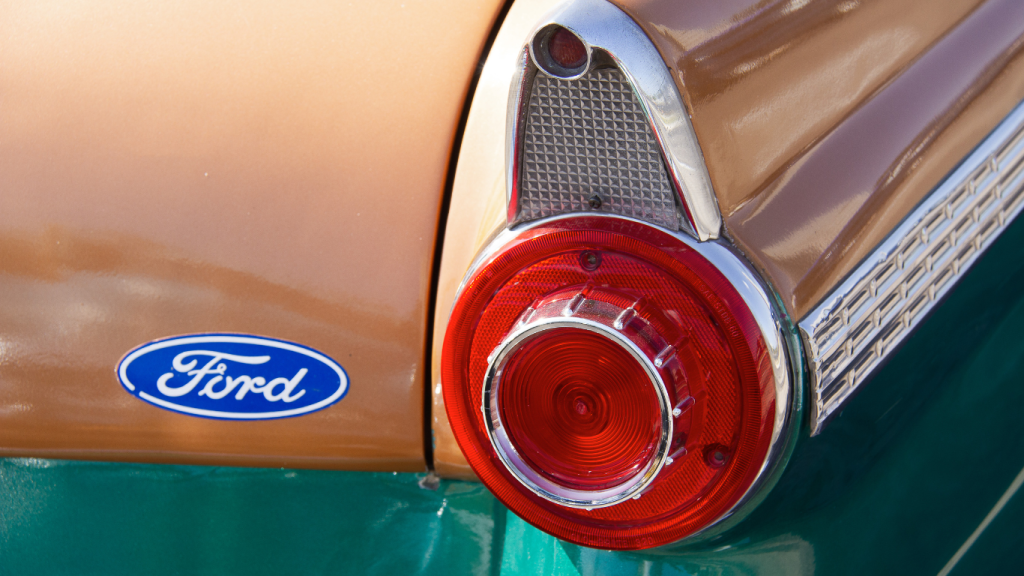
3rd Generation (1957–1960): A Bold New Look
- Innovative Design: The F-150 nameplate came into prominence during this generation. Ford expanded the F-Series with a more muscular design and upgraded features.
- Body Styles by Year: The 3rd generation offered more choice in cab configurations, including custom and extended options. It also introduced longer bed lengths, catering to drivers who needed more cargo space.
- Performance and Power: This generation included the introduction of more powerful engines, including a V8 that made the F-150 even more capable for heavy-duty work.
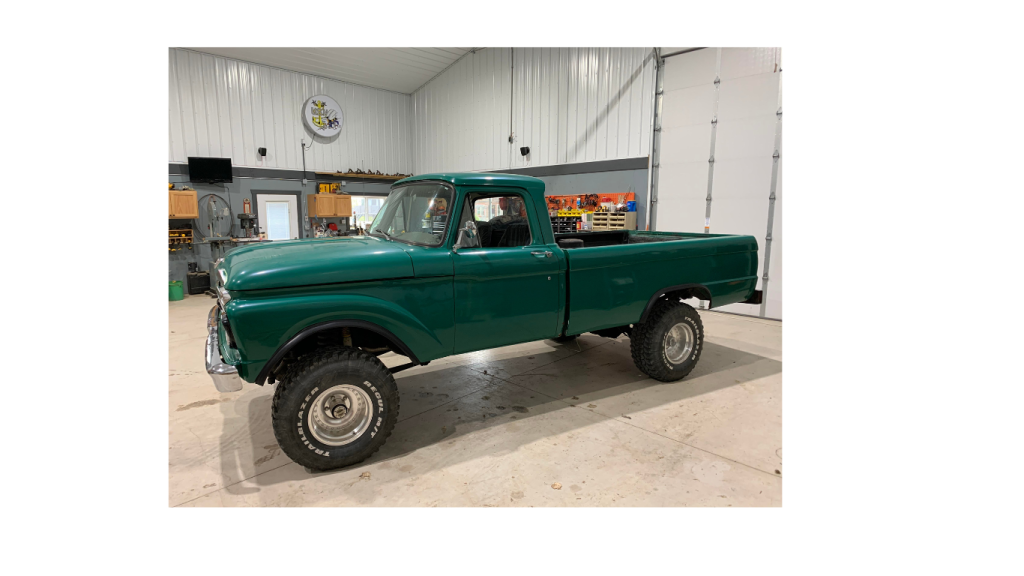
4th Generation (1961–1966): A Truck Built for Strength
- Body and Frame: This generation marked a significant shift in body construction, with stronger steel frames and larger cabs. Ford’s focus was on durability and safety.
- Body Styles by Year: The 4th generation saw the introduction of more luxury-focused models like the F-150 Ranger, which offered additional comfort features like better upholstery and trim packages.
- Towing and Payload: Enhanced suspension systems helped the F-150 handle higher payloads and improved towing capabilities.
5th Generation (1967–1972): Bold and Aggressive Design
- New Styling: Ford shifted to a bolder, more angular design with square headlights and a taller grille. This generation made a lasting impression with its rugged appearance.
- Engine Performance: The 5th generation marked the introduction of a larger range of engine options, including V8s that provided more horsepower.
- Body Styles: This generation solidified the concept of various cab sizes, from standard cabs to the now-classic extended cabs, expanding the F-150’s versatility.

6th Generation (1973–1979): Bigger and Better
- Increased Size and Comfort: Ford grew the size of the F-150, improving cabin space and comfort. The truck became both a workhorse and a commuter vehicle, with added features for daily driving.
- Body Styles by Year: Ford continued to offer multiple body styles, with the crew cab option gaining popularity for its added seating capacity.
- Improved Engines: With more powerful V8 and V6 options, this generation of F-150 trucks became a better choice for those who wanted greater towing and hauling capabilities.

7th Generation (1980–1986): Fuel Efficiency Meets Power
- Fuel Efficiency Focus: The 1980s brought economic changes, and Ford responded by making the F-150 lighter and more fuel-efficient while maintaining its impressive power and strength.
- Body Styles by Year: This generation offered more luxurious trim levels, like the XLT and Ranger, which attracted buyers who wanted both performance and comfort.
- Technological Advancements: Power steering and electronic ignition systems were introduced, making the F-150 more user-friendly.

8th Generation (1987–1991): A Modernized Look and Better Performance
- Sleek and Aerodynamic: Ford continued to refine the F-150 with smoother, more aerodynamic lines. This generation helped the truck become more fuel-efficient without sacrificing performance.
- Body Styles by Year: The F-150’s options expanded, with Ford introducing the Flareside bed, which gave the truck a distinctive look that set it apart from competitors.
- Performance: The 8th generation also included updated engine options and transmissions that helped improve overall performance.

9th Generation (1992–1997): The Arrival of Modern Features
- Technology Upgrades: The 9th generation introduced advanced technologies like electronic fuel injection and an improved braking system.
- Body Styles by Year: More trims and customizations became available, including four-door crew cab models, making it a popular choice for families and those needing more interior space.
- Enhanced Performance: Towing capacities increased, and the F-150 became more capable of handling heavy-duty work.
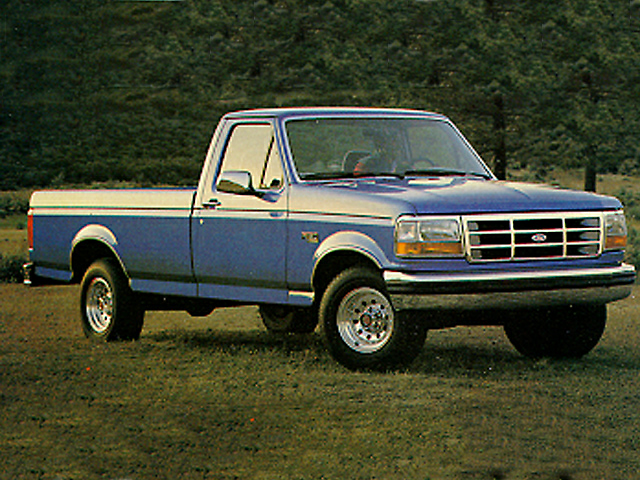
10th Generation (1997–2003): The Powerhouse Era
- Larger and More Robust: Ford made significant improvements to the F-150’s size and performance, introducing even more powerful engine options.
- Body Styles by Year: The 10th generation introduced the four-door SuperCrew model, which offered unprecedented passenger comfort in a full-size pickup.
- Safety Features: Ford added airbags, anti-lock brakes, and better crash protection to the F-150, making it safer than ever before.
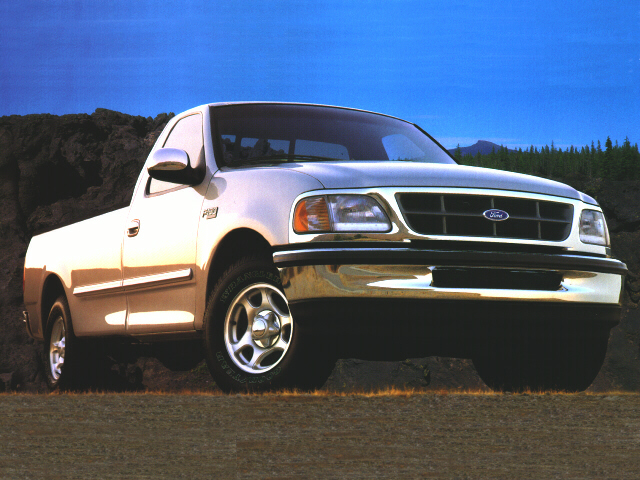
11th Generation (2004–2008): The Refined Powerhouse
- Design Overhaul: The 11th generation introduced a sleeker, more modern look, with better aerodynamics and a focus on improving fuel economy.
- Body Styles by Year: Ford expanded trim options to offer even more luxury models, making the F-150 a popular choice among upscale buyers.
- Increased Payload and Towing: The 11th generation brought a new level of performance with stronger engines and greater payload capacity.
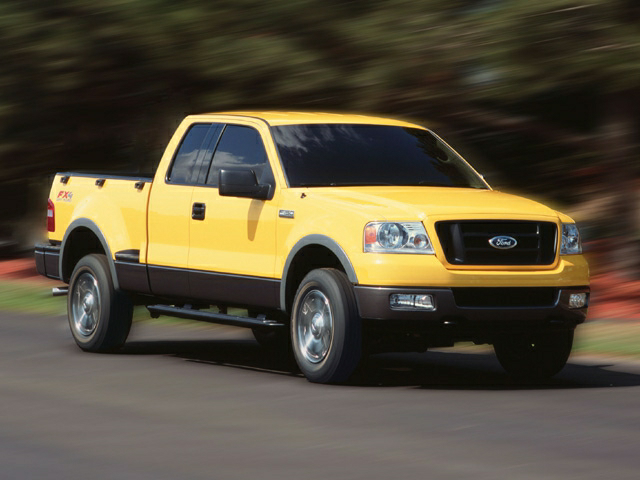
12th Generation (2009–2014): Aluminum Body and High-Tech Features
- Aluminum Body: The 12th generation marked a major milestone with the introduction of an aluminum body, making the truck lighter and more fuel-efficient.
- Technology Features: This generation also introduced SYNC technology, enhancing the truck’s connectivity and user-friendliness.
- Body Styles by Year: Ford continued to refine its body options, offering more customization in both luxury and work-oriented trims.
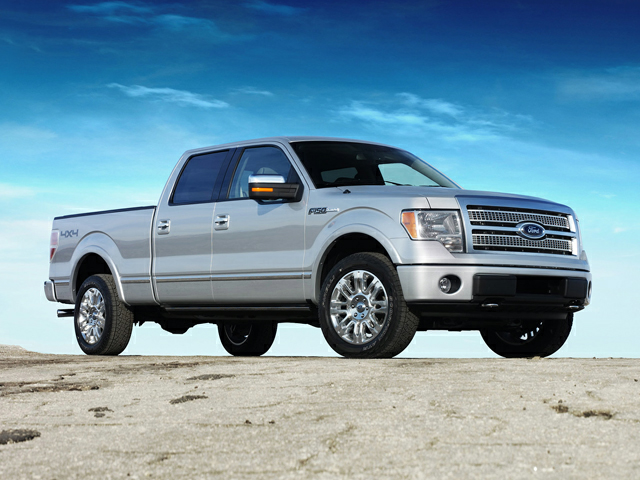
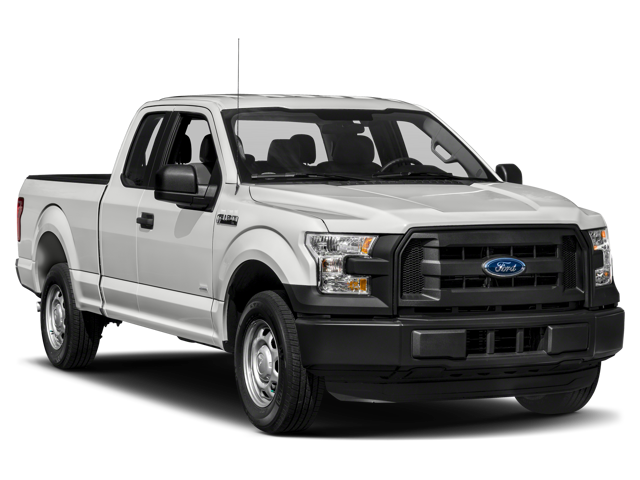
13th Generation (2015–2020): The Future of F-150
- New Engine Options: Ford continued to innovate with the introduction of EcoBoost engines, which provided a balance between performance and fuel economy.
- Body Styles by Year: Ford expanded the F-150’s options with a mix of practical and luxury trims, making it a go-to choice for various types of buyers.
- Smart Technology: This generation was equipped with advanced driver-assist technology, making the F-150 safer and easier to drive.
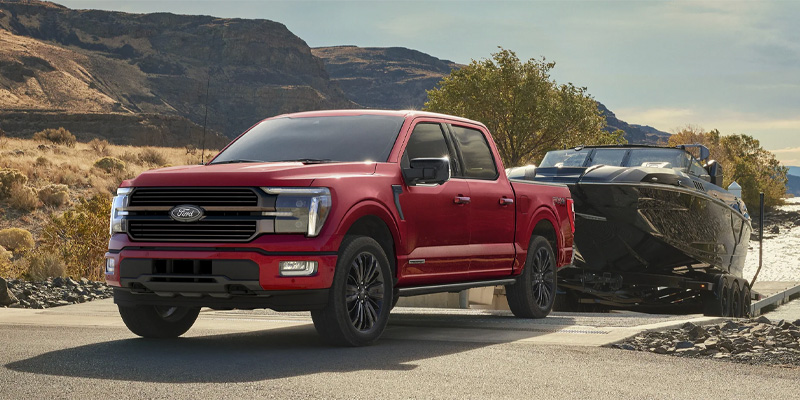
14th Generation (2021–Present): A New Era with Hybrid and Electric Models
- Electrification and Sustainability: Ford now offers hybrid and fully electric variants of the F-150, catering to the growing demand for environmentally friendly options.
- Modern Tech Features: Advanced driver-assistance features, improved infotainment systems, and connectivity options set this generation apart.
- Body Styles by Year: The F-150 continues to offer diverse body styles, including extended cab and crew cab models, to fit all lifestyles.
Ford F-150 – Built to Last Through Generations
From its humble beginnings to the high-tech, high-performance truck it is today, the Ford F-150 has proven time and again that it can adapt to changing times while maintaining its core values of power, reliability, and toughness. Each generation has built upon the last, improving in design, technology, and performance, making the F-150 a leader in the pickup truck market for decades. Stop by Alpine Ford in Pueblo today to test drive this legacy.
Connect with us


- 2025 Ford F-150
- Alpine Ford Dealer
- Alpine Ford, LLC Service
- Ford Bronco
- Ford Bronco Sport
- Ford Bronco Sport Service
- Ford Dealer
- Ford Escape
- Ford Expedition
- Ford Explorer
- Ford F-150
- Ford Maverick
- Ford Mustang
- Ford Mustang Mach-E
- Ford Ranger
- Ford Service
- Ford Super Duty F-250
- Ford Super Duty F-250 Service
- Ford Super Duty F-350
- New Inventory
- Parts
- People
- Pre-Owned Inventory
- Service
- Uncategorized
- West Pueblo Ford Dealer