

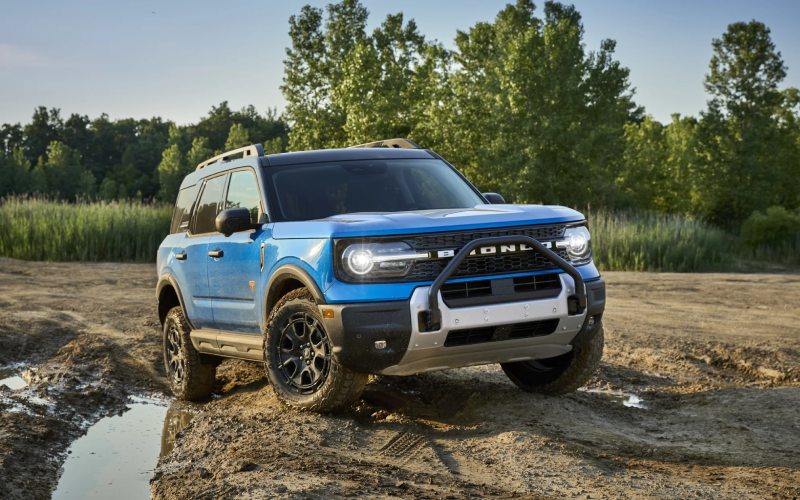
Alpine Ford – Steps to Take if Ford Bronco Sport Check Engine Light is On
Few things unsettle a drive faster than seeing the Check Engine light in your Ford Bronco Sport. While the cause can be as simple as a loose gas cap or as involved as a sensor fault, the key is taking smart, measured steps that protect your engine and your day. At Alpine Ford, we use Ford diagnostic equipment, Genuine Ford Parts, and factory-trained technicians to pinpoint the issue quickly and explain your options clearly. From same-day diagnostics to repair transparency, our service team is here to help you get back to the adventure your Bronco Sport was built for. We are serving in Pueblo, CO, Colorado Springs, and Canon City, so expert support is always close to home. The guidance below offers general best practices that apply to most Bronco Sport models; always refer to your Owner’s Manual and contact the manufacturer or our dealership for details. If the light is flashing, minimize driving and seek professional help promptly to avoid damage. If it is steady and the vehicle feels normal, you may have a little more flexibility, but timely diagnosis is still the smart move. Whether you need a quick code scan, warranty guidance, or a comprehensive repair plan, our team will walk you through next steps and keep you informed at every turn.
- Check the light status: Steady usually means non-urgent but timely attention; flashing often indicates a misfire and risk to the catalytic converter—pull over safely.
- Secure the gas cap: Remove and retighten until it clicks; a loose cap can trigger an evaporative emissions fault—drive a few trips to see if it clears.
- Drive gently: Reduce speed, avoid heavy loads or towing, and limit hard acceleration to protect engine and emissions components.
- Watch for symptoms: Note rough idle, hesitation, reduced power, unusual smells, or smoke—if severe, stop driving and arrange a tow.
- Check basics under the hood: If safe, verify engine oil and coolant levels and add the factory-specified fluids as needed; do not open a hot cooling system.
- Capture diagnostic info: If you have an OBD-II reader, record codes and freeze-frame data; or visit us for a quick scan so nothing gets missed.
- Avoid clearing codes: Do not disconnect the battery or erase codes pre-diagnosis—it can hide issues and reset emissions readiness monitors.
- Schedule expert diagnosis: Book with our service team to test sensors, ignition, and EVAP systems; ask about warranties, recalls, or TSBs—request more information.
Request more information
Connect with us


- July 2026
- June 2026
- May 2026
- April 2026
- March 2026
- February 2026
- January 2026
- December 2025
- November 2025
- October 2025
- September 2025
- August 2025
- July 2025
- June 2025
- May 2025
- April 2025
- March 2025
- February 2025
- January 2025
- December 2024
- November 2024
- October 2024
- September 2024
- August 2024
- July 2023
- April 2023
- February 2023
- January 2023
- October 2022
Archives
- 2025 Ford F-150
- Alpine Ford Dealer
- Alpine Ford, LLC Service
- Ford Bronco
- Ford Bronco Sport
- Ford Bronco Sport Service
- Ford Dealer
- Ford Escape
- Ford Expedition
- Ford Explorer
- Ford F-150
- Ford Maverick
- Ford Mustang
- Ford Mustang Mach-E
- Ford Ranger
- Ford Service
- Ford Super Duty F-250
- Ford Super Duty F-250 Service
- Ford Super Duty F-350
- Ford Transit
- New Inventory
- Parts
- People
- Pre-Owned Inventory
- Service
- West Pueblo Ford Dealer